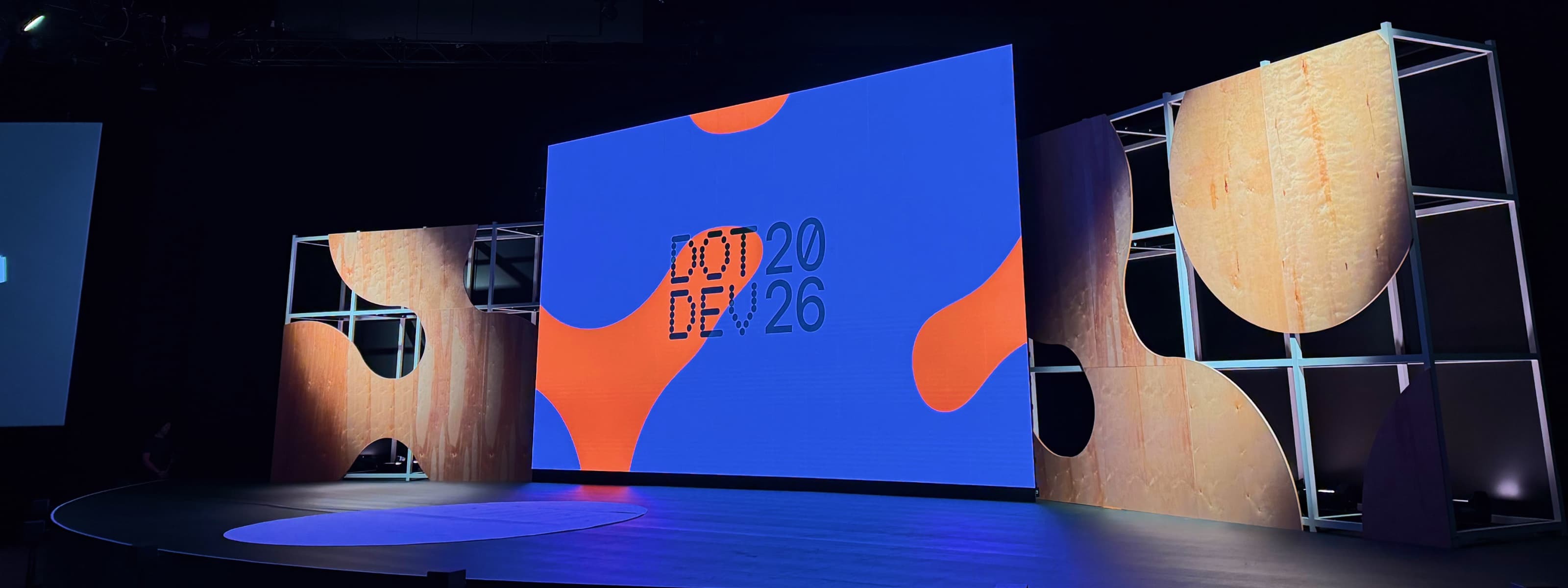

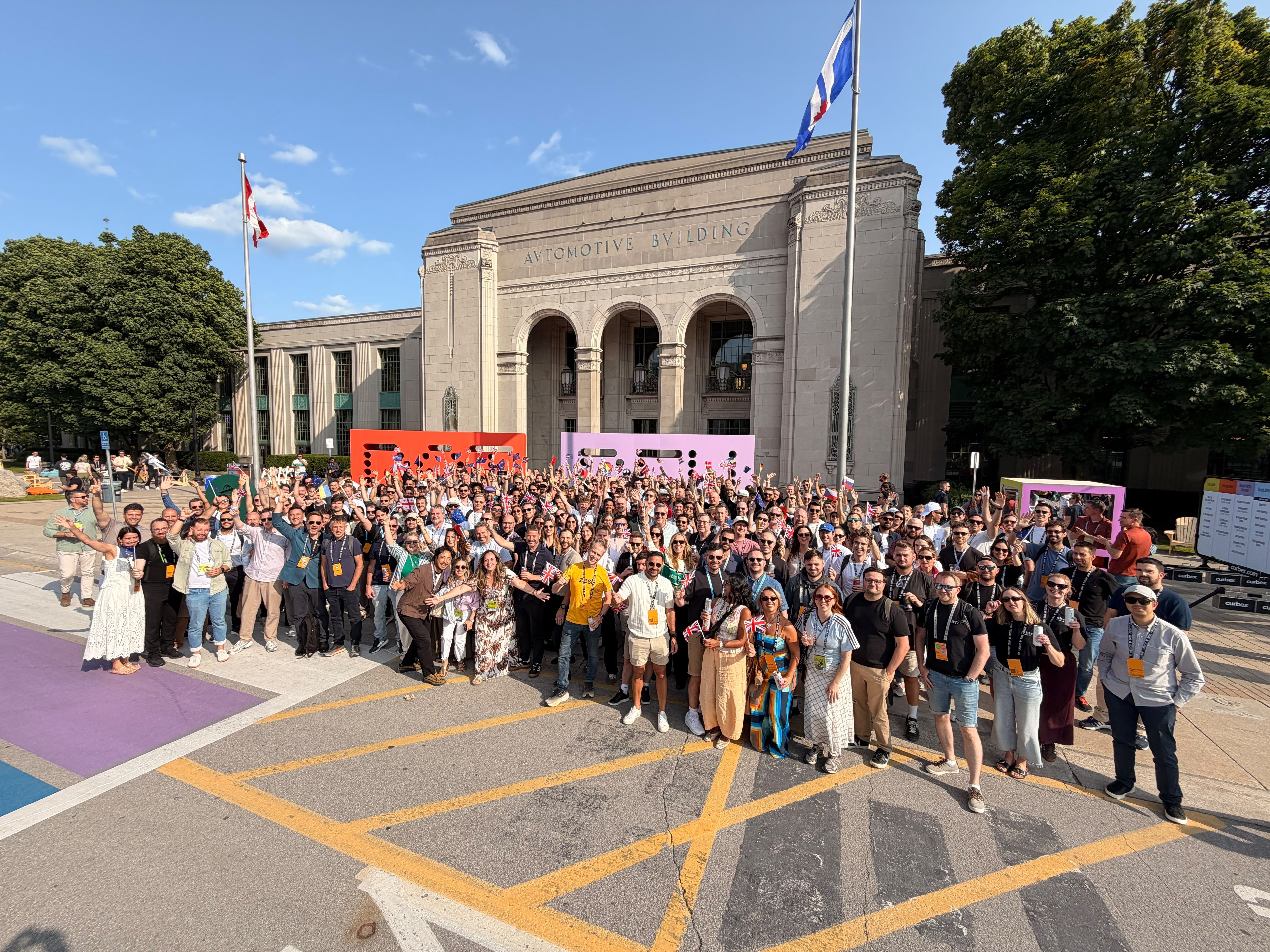
We’ve just returned from Toronto, where from 21-22 July Shopify brought its developer community together at the Automotive Building for DotDev 2026.
Across two days, the platform shared a series of updates spanning AI, commerce infrastructure, merchandising, analytics and developer tooling.
Together, they point to a Shopify that’s becoming even more flexible, more intelligent and increasingly designed for a world beyond the traditional storefront.
Here are nine updates that caught our attention.
Shopify previewed a rebuilt Collections model that introduces variant-level merchandising, multiple collection sources and sub-collections.
The new admin experience is rolling out now, while the underlying APIs and storefront support for variant collections remain in developer preview.
For brands with complex merchandising requirements, this could significantly reduce manual collection management over time while laying the foundations for AI-assisted merchandising.
The bigger story isn't new dashboards. It's Shopify turning Analytics into a platform that apps can build on.
New APIs for annotations, embeddable analytics components and queryable merchant data make it easier to add context directly into reporting, rather than keeping it in spreadsheets or presentations.
Some capabilities, including Metric Targets, were introduced ahead of DotDev, but together they signal a broader shift towards analytics becoming part of the commerce infrastructure rather than a destination for reports.
Agentic commerce was one of the defining themes of the event.
The Universal Commerce Protocol (UCP), co-developed by Shopify and Google and announced earlier this year, is already powering shopping experiences through Google's AI products, with wider industry support continuing to grow.
For brands, the shift isn't simply that AI agents can transact on behalf of customers. It's that merchants increasingly define a contract — describing products, capabilities and checkout behaviour — while the interface belongs to someone else.
That makes product data, merchandising logic and structured information just as important as the storefront itself.
Shopify's SEO team tackled one of the biggest questions facing merchants today: how much does AI discovery actually matter?
Rather than chasing hype, the message was reassuringly practical. Strong product data, structured content and solid technical foundations remain the fundamentals. The difference is that AI-powered discovery surfaces are increasingly becoming another place where that information is consumed.
Customer accounts continue to evolve, but there are also practical reasons to start planning.
Legacy customer accounts have already been deprecated, with further Customer Account API changes arriving in version 2026-10, including the removal of Customer.lastIncompleteCheckout and Checkout types.
For design-led brands, there's another consideration. The supported customisation route is Customer Account UI Extensions rather than Liquid, making experience design even more important within platform constraints.
Shopify expanded its Events model with additional resource types and new metafield-scoped triggers.
By default, event streams become broader, but developers can opt into targeted subscriptions that listen only for specific metafield changes. For brands with increasingly complex app ecosystems, that level of precision should help build more reliable integrations while reducing unnecessary processing.

Liquid remains a key part of Shopify's future.
New block and partial functionality, currently in developer preview, allows developers to define named server-rendered regions that JavaScript can refresh without a full page reload.
It's a meaningful performance improvement, but also another signal that Shopify continues to invest in themed storefronts alongside headless commerce. Shopify also highlighted how the new structure makes themes easier for coding agents to understand and work with.
Two quieter announcements could have an outsized impact for larger merchants.
Market-driven shipping entered feature preview at DotDev and is scheduled to begin rolling out to merchants from 1 October 2026, with full rollout expected by 1 July 2027. Brands with custom shipping integrations should begin planning now.
Shopify also expanded GraphQL support for physical inventory, including purchase orders, inventory counts and bins, providing a more robust native foundation for ERP and warehouse integrations.
Hydrogen also received one of its biggest updates to date.
Currently in developer preview, Shopify is evolving Hydrogen from a framework into a more flexible commerce toolkit, with a plain JavaScript core, lightweight framework bindings and support for multiple runtimes and hosting providers.
For brands considering headless, framework and hosting choices become far less of a long-term commitment. For those already running Hydrogen, it's also the beginning of a migration conversation.

The biggest takeaway from Toronto wasn't a single product announcement, it was Shopify's direction of travel.
The platform is becoming less prescriptive about how storefronts are built, while becoming considerably more opinionated about the quality of the data, APIs and infrastructure that sit beneath them.
For ecommerce teams, that changes the conversation. Competitive advantage is no longer defined solely by the storefront. Increasingly, it comes from the systems behind it: product data, merchandising logic, analytics, integrations and the architecture that connects them.
For premium fashion and lifestyle brands, that's an exciting shift. The brands that succeed won't simply have the most beautiful storefronts. They'll have the most adaptable commerce ecosystems.
By Association Only is the Platinum Shopify Plus agency for the world’s most design-conscious luxury brands. Get in touch to discover how our team of experts can support your brand’s Shopify ambitions.

From luxury fashion to premium eyewear and jewellery, we look at 16 brands that have moved to Shopify.
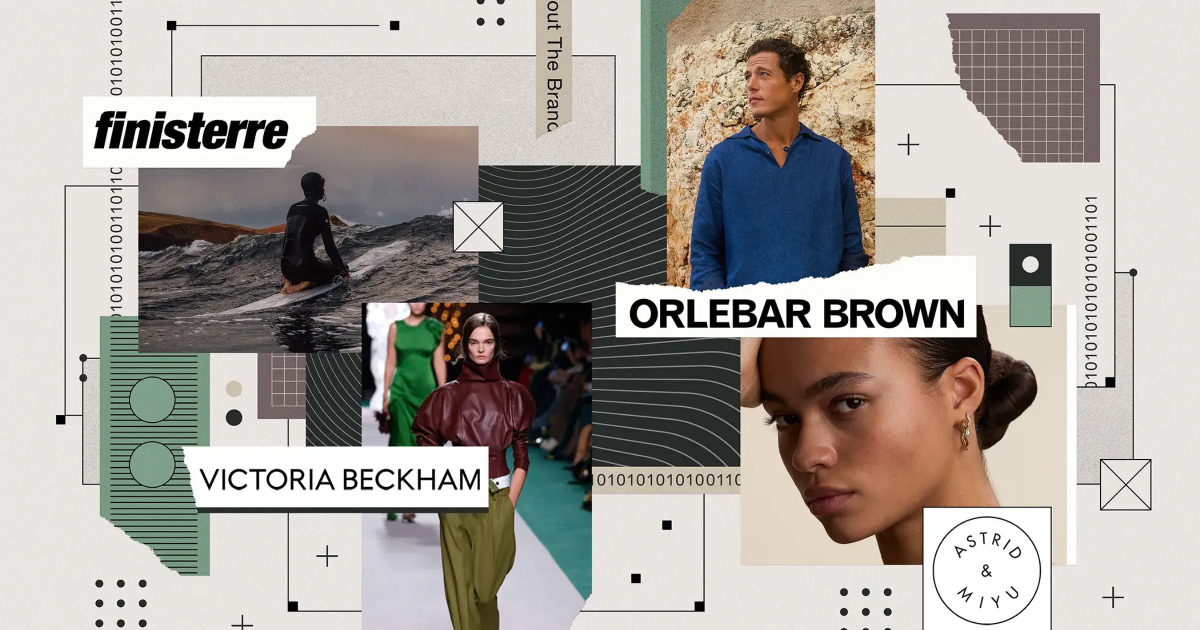
We're delighted to have been featured in fashion retail publication Drapers' Wonderful Websites series, including for our work with Astrid & Miyu, Victoria Beckham, and Orlebar Brown. Read all about it here.
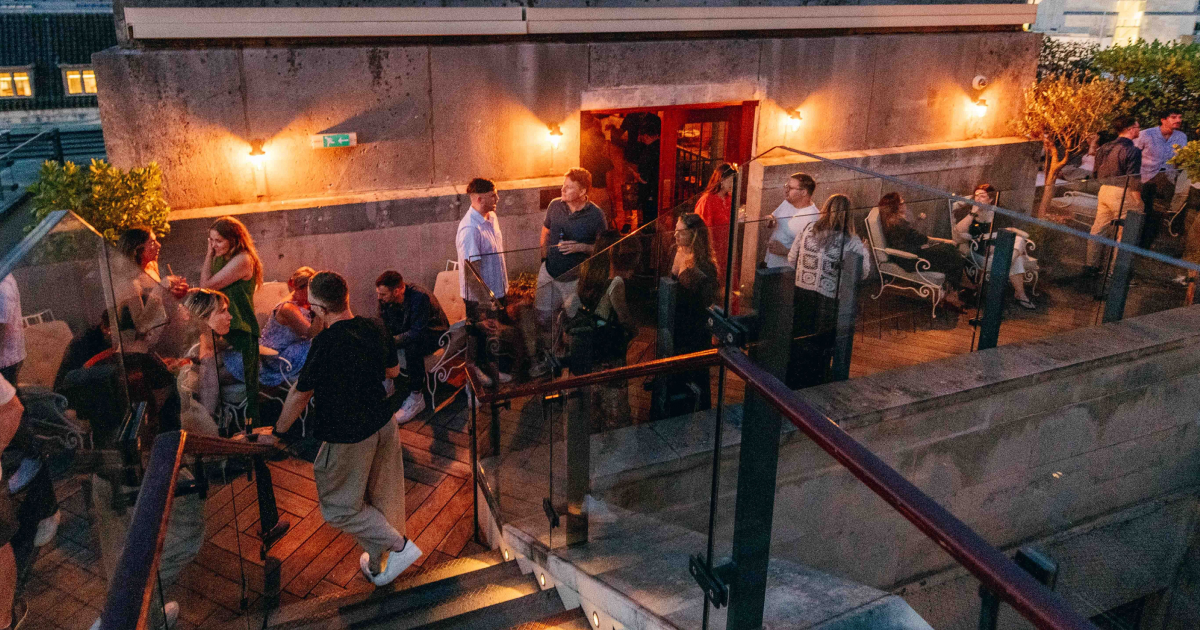
Last week By Association Only hosted its annual summer soiree at The Ned in London. Read all about it here.


.jpg)